
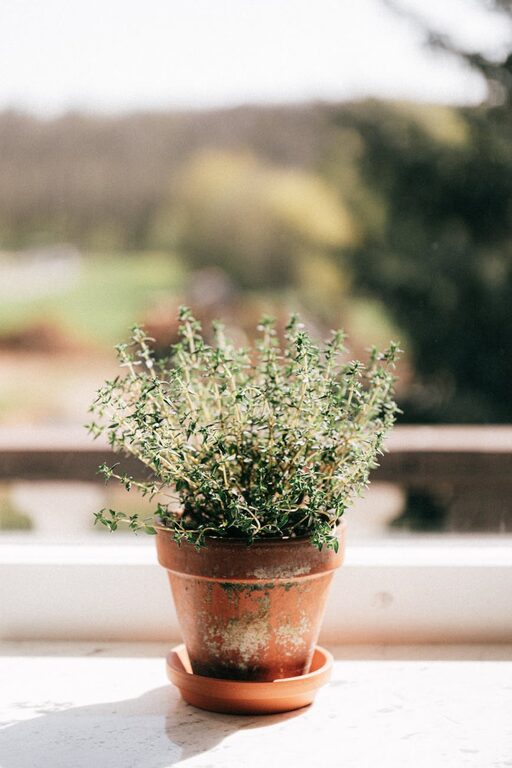
Starting a small herb garden indoors is a rewarding and practical way to bring fresh flavors to your kitchen while adding a touch of greenery to your living space. Whether you have a sunny windowsill or a small corner in your home, growing herbs inside is easier than you might think. This guide will walk you through everything you need to know to get started and keep your indoor herb garden thriving.
Why Grow Herbs Indoors?
Growing herbs indoors offers several benefits. You can enjoy fresh herbs year-round regardless of the weather outside. It also saves money compared to buying fresh herbs from the store and reduces waste by harvesting only what you need. Indoor herb gardens also improve air quality and can brighten any room with their vibrant green leaves.
Choosing the Right Herbs
Not all herbs are suited for indoor growing, so begin by selecting varieties that thrive inside. Here are some popular and easy-to-grow herbs for indoor gardens:
– Basil: Perfect for cooking and thrives in warm, sunny spots.
– Mint: Grows vigorously and likes moist soil.
– Parsley: A versatile herb that does well with moderate sunlight.
– Chives: Hardy and easy to manage.
– Thyme: Prefers well-draining soil and bright light.
– Cilantro: Requires cooler temperatures and consistent moisture.
– Oregano: Needs bright light and well-drained soil.
Choose herbs based on your cooking preferences and available growing conditions.
What You’ll Need
Before planting, gather the necessary supplies:
– Containers: Pots with drainage holes to prevent waterlogging.
– Potting Soil: Use a well-draining potting mix formulated for indoor plants.
– Herb Seeds or Starter Plants: Seeds can be economical, but starter plants offer a quicker beginning.
– Watering Can: For gentle watering without disturbing the soil.
– Labels: To identify each herb easily.
– Grow Light (Optional): Useful if you have limited natural sunlight.
Selecting the Perfect Location
Most herbs need about 6 hours of sunlight daily. A south-facing window is ideal. If natural light is limited, consider using a grow light to provide sufficient light. Keep your herbs away from cold drafts and heating vents, as extreme temperatures can stress the plants.
Planting Your Herb Garden
Follow these simple steps to plant your herbs:
- **Prepare Your Containers**
Choose pots that are large enough for your herbs to grow comfortably. Ensure they have drainage holes to prevent root rot.
- **Fill with Soil**
Fill pots with potting soil, leaving about an inch from the top. Gently pat the soil to remove large air pockets but avoid compacting it too much.
- **Plant Seeds or Seedlings**
For seeds, follow the depth instructions on the seed packet. Lightly cover the seeds with soil. For seedlings, dig a small hole, place the plant, and cover the roots with soil.
- **Water Gently**
Moisten the soil with a watering can or spray bottle. Keep the soil consistently damp but not soggy.
- **Label Each Pot**
Use tags to identify your herbs, especially if you’re planting multiple varieties.
Caring for Your Indoor Herbs
Herbs need regular care to stay healthy. Here are essential tips:
Watering
Most herbs prefer soil that is evenly moist. Check the top inch of soil daily; water when it feels dry. Avoid overwatering, as this can lead to root rot.
Lighting
Provide at least 6 hours of bright light per day. Rotate pots occasionally to ensure even growth on all sides.
Temperature and Humidity
Indoor herbs thrive at temperatures between 65°F and 75°F (18°C to 24°C). If your home is dry, increase humidity by misting plants or placing a tray of water nearby.
Fertilizing
Feed your herbs with a balanced liquid fertilizer every 4-6 weeks during the growing season. Dilute it to half the recommended strength to avoid overfeeding.
Pruning and Harvesting
Regularly pinch or trim your herbs to encourage bushier growth and prevent them from flowering too soon. Harvest leaves as needed, ideally in the morning when the oils are most concentrated.
Troubleshooting Common Problems
Even with good care, indoor herbs can face challenges. Here are some common issues and their solutions:
– Yellow Leaves: Often a sign of overwatering or poor drainage.
– Leggy Growth: Indicates insufficient light; move the herbs to a brighter spot or add a grow light.
– Pests: Treat small infestations with insecticidal soap or wipe leaves with a damp cloth.
– Wilting: Could be underwatering or root problems; check soil moisture and inspect roots.
Expanding Your Indoor Herb Garden
Once you’re comfortable, consider adding more varieties or experimenting with different container styles. You can also try vertical gardens or hanging pots to save space. Share your herbs with friends or family as a thoughtful, home-grown gift.
Final Thoughts
Starting a small herb garden indoors is a fun and manageable project that brings fresh flavors and greenery into your home. With a little attention and care, you’ll enjoy homegrown herbs for cooking, teas, and even homemade remedies. So gather your supplies, pick your favorite herbs, and start planting today!
Happy gardening!